
Hybrid/Remote Informatica Job Trends

Informatica
UK > Work from Home

The table below provides summary statistics for permanent remote or hybrid work requiring knowledge or experience of Informatica products and/or services. It includes a benchmarking guide to the annual salaries offered in vacancies that cited Informatica over the 6 months leading up to 12 October 2026, comparing them to the same period in the previous two years.

The figures below represent the IT labour market in general and are not representative of salaries within the Informatica Corporation.

6 months to
12 Oct 2026
Same period 2025 Same period 2024
Rank 408 389 444
Rank change year-on-year -19 +55 -15
Permanent jobs citing Informatica 54 25 35
As % of all permanent jobs with remote/hybrid work options 0.22% 0.15% 0.16%
As % of the Vendors category 0.69% 0.30% 0.42%
Number of salaries quoted 47 22 27
10th Percentile £48,350 - £45,950
25th Percentile £61,250 £51,250 £50,125
Median annual salary (50th Percentile) £74,500 £67,500 £65,000
Median % change year-on-year +10.37% +3.85% -10.34%
75th Percentile £82,500 £85,000 £71,991
90th Percentile £95,000 £118,750 -
UK median annual salary £72,250 £70,000 £65,465
% change year-on-year +3.21% +6.93% -12.71%

All Vendors
Work from Home

Informatica falls under the Vendor Products and Services category. For comparison with the information above, the following table provides summary statistics for all permanent job vacancies with a remote or hybrid options requiring knowledge or experience of all vendor products and services.

Permanent vacancies with a requirement for knowledge or experience of vendor products and services 7,798 8,398 8,256
As % of all permanent jobs with a WFH option 31.29% 50.81% 38.44%
Number of salaries quoted 5,449 3,656 4,551
10th Percentile £31,250 £28,500 £32,500
25th Percentile £41,250 £37,500 £42,500
Median annual salary (50th Percentile) £58,500 £55,000 £60,000
Median % change year-on-year +6.36% -8.33% -
75th Percentile £77,500 £75,000 £77,500
90th Percentile £97,500 £90,000 £93,250
UK median annual salary £56,250 £50,000 £56,509
% change year-on-year +12.50% -11.52% -1.62%

Informatica
Job Vacancy Trend for Remote/Hybrid Jobs

Historical trend showing the proportion of permanent IT job postings citing Informatica and offering remote or hybrid work options relative to all permanent IT jobs advertised.
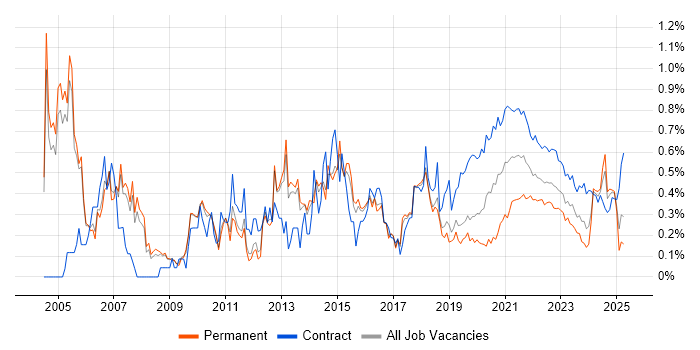
Informatica job vacancy trend for remote/hybrid jobs

Informatica
Salary Trend for Remote/Hybrid Jobs

Salary distribution trend for jobs with remote/hybrid work options citing Informatica.
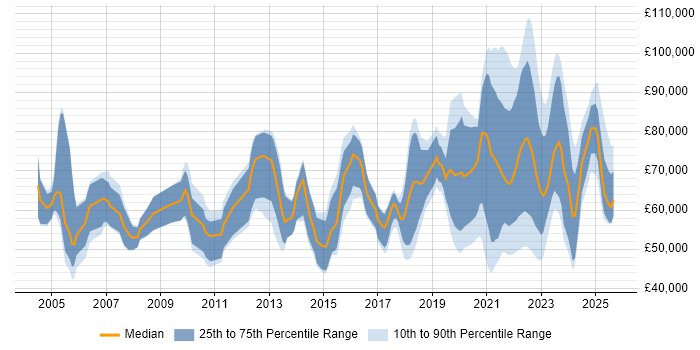
Salary distribution trend for jobs with remote/hybrid work options citing Informatica

Informatica
Salary Histogram for Remote/Hybrid Jobs

Salary distribution for jobs with remote/hybrid work options citing Informatica over the 6 months to 12 October 2026.

Informatica salary histogram for jobs with remote/hybrid work options

Informatica
Co-Occurring Skills & Capabilities in Remote/Hybrid Jobs by Category

The following tables expand on the one above by listing co-occurrences grouped by category. They cover the same employment type, locality and period, with up to 20 co-occurrences shown in each category:

Application Platforms
1 7 (12.96%) Apache Spark
2 2 (3.70%) SAS
Cloud Services
1 38 (70.37%) Azure
2 22 (40.74%) AWS
3 19 (35.19%) Power Platform
4 16 (29.63%) Collibra
5 15 (27.78%) GCP
6 12 (22.22%) Azure Data Factory
7 11 (20.37%) Microsoft Purview
8 10 (18.52%) Azure DevOps
8 10 (18.52%) Azure Synapse Analytics
9 9 (16.67%) Azure Cosmos DB
10 4 (7.41%) Snowflake
11 3 (5.56%) SaaS
12 2 (3.70%) Amazon EMR
12 2 (3.70%) Amazon S3
12 2 (3.70%) AWS CloudFormation
12 2 (3.70%) AWS Lambda
12 2 (3.70%) AWS Step Functions
12 2 (3.70%) Azure Logic Apps
12 2 (3.70%) GitHub
12 2 (3.70%) Serverless
Database & Business Intelligence
1 19 (35.19%) Power BI
2 18 (33.33%) Metadata
3 15 (27.78%) SQL Server
4 14 (25.93%) Data Warehouse
5 11 (20.37%) NoSQL
6 10 (18.52%) Azure SQL Database
6 10 (18.52%) Star Schema
7 9 (16.67%) Amazon QuickSight
7 9 (16.67%) Data Lake
7 9 (16.67%) DynamoDB
7 9 (16.67%) MongoDB
7 9 (16.67%) Snowflake Schema
8 7 (12.96%) Big Data
9 6 (11.11%) PostgreSQL
9 6 (11.11%) SQL Server Integration Services
10 4 (7.41%) Ataccama
10 4 (7.41%) IBM InfoSphere
10 4 (7.41%) MySQL
10 4 (7.41%) Oracle Reports
10 4 (7.41%) Relational Database
Development Applications
1 9 (16.67%) Git
2 3 (5.56%) Oracle Forms
3 2 (3.70%) Jenkins
4 1 (1.85%) ER Studio
4 1 (1.85%) ERwin
General
1 8 (14.81%) Finance
2 6 (11.11%) Analytical Skills
3 5 (9.26%) Public Sector
4 4 (7.41%) Social Skills
5 3 (5.56%) Banking
5 3 (5.56%) Corporate Banking
6 2 (3.70%) Retail Banking
7 1 (1.85%) Inclusion and Diversity
7 1 (1.85%) Investment Banking
7 1 (1.85%) Legal
7 1 (1.85%) Wearables
Job Titles
1 32 (59.26%) Senior
2 18 (33.33%) Lead
3 16 (29.63%) Data Engineer
4 12 (22.22%) Technical Leader
5 9 (16.67%) Azure Engineer
6 8 (14.81%) Senior Data Engineer
7 5 (9.26%) Architect
8 4 (7.41%) Data Architect
8 4 (7.41%) Developer
9 3 (5.56%) Analyst
9 3 (5.56%) Azure Data Engineer
9 3 (5.56%) Data Analyst
9 3 (5.56%) Senior Developer
10 2 (3.70%) AWS Architect
10 2 (3.70%) AWS Data Architect
10 2 (3.70%) Data Migration Architect
10 2 (3.70%) Migration Architect
10 2 (3.70%) Platform Engineer
11 1 (1.85%) Business Developer
11 1 (1.85%) Enterprise Architect
Libraries, Frameworks & Software Standards
1 16 (29.63%) Terraform
2 12 (22.22%) REST
3 7 (12.96%) Kafka
4 5 (9.26%) PySpark
5 1 (1.85%) JSON
Miscellaneous
1 12 (22.22%) Enterprise Software
1 12 (22.22%) Product Ownership
2 9 (16.67%) Legacy Systems
3 7 (12.96%) Reference Data
4 6 (11.11%) Distributed Architecture
5 4 (7.41%) Cloud Native
6 2 (3.70%) Management Information System
7 1 (1.85%) AI Agents
7 1 (1.85%) Data Structures
7 1 (1.85%) Taxonomies
Operating Systems
1 9 (16.67%) Windows
Processes & Methodologies
1 31 (57.41%) CI/CD
2 27 (50.00%) ETL
3 23 (42.59%) Analytics
4 21 (38.89%) Business Intelligence
4 21 (38.89%) Data Governance
5 19 (35.19%) Agile
5 19 (35.19%) Data Modelling
6 18 (33.33%) DevOps
7 15 (27.78%) Data Architecture
7 15 (27.78%) Data Management
8 14 (25.93%) Data Pipeline
8 14 (25.93%) Decision-Making
8 14 (25.93%) Problem-Solving
9 13 (24.07%) Data Engineering
10 12 (22.22%) Clean Code
10 12 (22.22%) Infrastructure as Code
10 12 (22.22%) Mentoring
11 11 (20.37%) Continuous Improvement
11 11 (20.37%) Data Security
12 10 (18.52%) Scrum
Programming Languages
1 43 (79.63%) SQL
2 23 (42.59%) Python
3 9 (16.67%) C#
4 3 (5.56%) PL/SQL
5 2 (3.70%) JavaScript
5 2 (3.70%) PowerShell
5 2 (3.70%) Scala
6 1 (1.85%) Data Analysis Expressions
6 1 (1.85%) R
6 1 (1.85%) T-SQL
Qualifications
1 12 (22.22%) Degree
2 8 (14.81%) Security Cleared
3 6 (11.11%) SC Cleared
4 3 (5.56%) DBS Check
5 2 (3.70%) AWS Certification
5 2 (3.70%) AWS Certified Solutions Architect
6 1 (1.85%) CITP
Quality Assurance & Compliance
1 25 (46.30%) Data Quality
2 13 (24.07%) GDPR
3 9 (16.67%) California Consumer Privacy Act
4 1 (1.85%) Accessibility
4 1 (1.85%) IFRS
4 1 (1.85%) IFRS 17
4 1 (1.85%) Solvency II
System Software
1 12 (22.22%) Docker
Systems Management
1 6 (11.11%) Grafana
2 2 (3.70%) Ansible
2 2 (3.70%) Kubernetes
Vendors
1 25 (46.30%) Microsoft
2 13 (24.07%) Talend
3 9 (16.67%) Databricks
4 5 (9.26%) Oracle
5 4 (7.41%) IBM
5 4 (7.41%) TIBCO
6 1 (1.85%) Alteryx
6 1 (1.85%) MuleSoft
6 1 (1.85%) Salesforce
6 1 (1.85%) SAP
6 1 (1.85%) Workday
6 1 (1.85%) YouTube